What Individuals Can Actually Do About Climate Change
James Harrington
co-founder · Verity

Climate change can feel paralyzing. The scale of the problem is planetary. The solutions require international cooperation, systemic change, and technological transformation. What difference can any individual possibly make?
This question deserves an honest answer — not the oversimplified "every action counts" of corporate greenwashing, nor the fatalistic "individuals don't matter" of those who have given up. The truth is more nuanced and more empowering than either extreme.
The Carbon Footprint Myth
The concept of the personal carbon footprint was popularised by BP as part of a deliberate campaign to shift responsibility for climate change from fossil fuel corporations to individual consumers. This history is important context.
The uncomfortable truth it obscures is that systemic change — driven by policy, investment, and collective action — will determine the trajectory of climate change far more than individual consumption choices. The most virtuous personal lifestyle, replicated across every person on Earth, would not be sufficient without structural change.
And yet individual choices do matter — not primarily through their direct carbon impact, but through their social, political, and economic effects.
""The most powerful thing an individual can do about climate change is not turn off lights or refuse straws. It is to use their voice, their vote, and their economic power to drive systemic change.""
High Impact Individual Actions
Research on individual climate actions consistently identifies a small number of choices that have genuinely significant carbon impacts.
Dietary choices — particularly reducing consumption of beef and dairy — are among the highest impact individual actions available. Animal agriculture, particularly cattle, is responsible for a significant portion of global greenhouse gas emissions. Shifting toward plant rich diets has a measurable impact.
Transport choices matter enormously. Flying is one of the most carbon intensive activities available to individuals. Choosing not to fly, or flying significantly less, has a genuine impact. Switching to an electric vehicle, where the grid is reasonably clean, is similarly impactful.
Having one fewer child has the largest calculated impact of any individual choice — though this is a deeply personal decision that intersects with questions of autonomy, culture, and values in ways that make it categorically different from consumption choices.
The Power of Social Influence
Perhaps the most underappreciated individual lever is social influence. Research on social norms shows that human behaviour is profoundly shaped by what we perceive others around us to be doing.
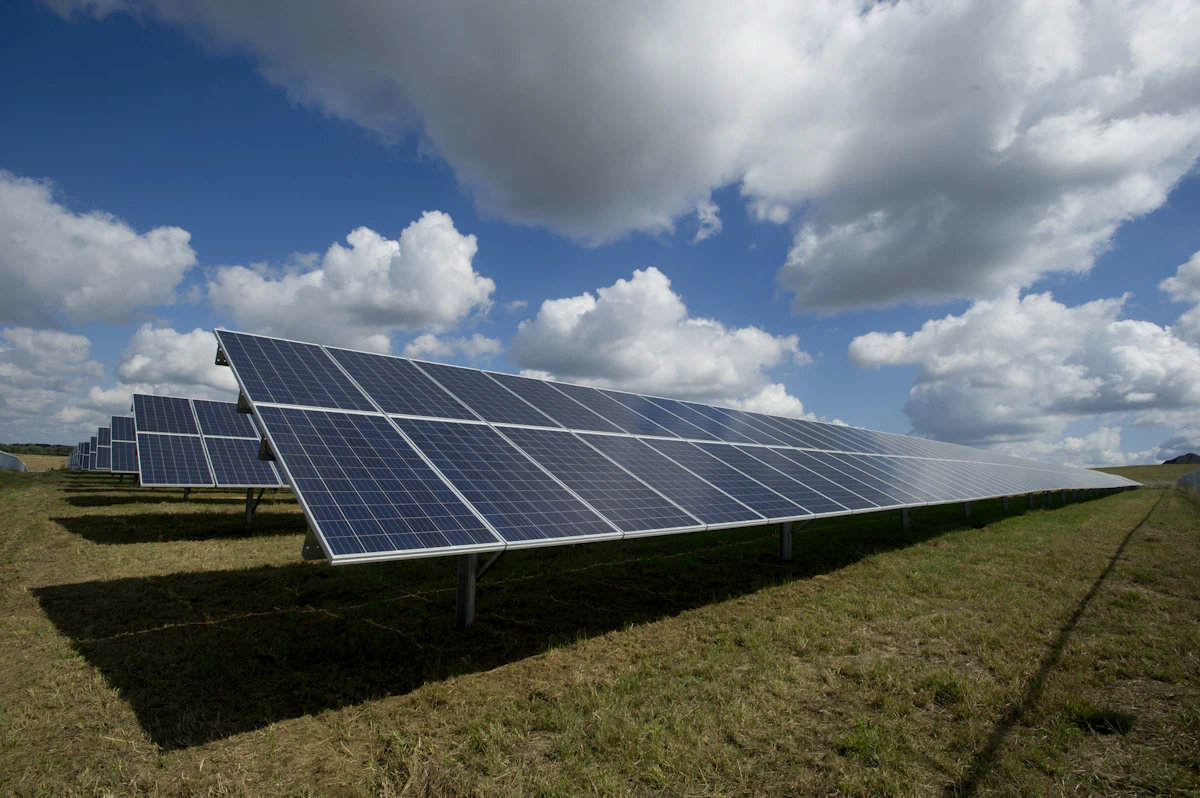
When individuals make visible choices — installing solar panels, switching to plant based diets, choosing electric vehicles — they shift the perception of what is normal. This social contagion effect can be more powerful than the direct carbon impact of the choice itself.
Civic and Political Engagement
The highest leverage action available to most individuals is civic and political engagement. Voting for candidates who treat climate as the urgent priority it is, contacting elected representatives, participating in public consultations, and supporting organisations working on climate policy all have impacts that far exceed any personal consumption choice.
The decisions made by governments and corporations in the next decade will determine the trajectory of climate change. Individual citizens have real power to influence those decisions — but only if they exercise it.
Final thought
Individual action on climate change matters most when it is not treated as a substitute for systemic change but as a complement to it. Make the personal changes that are meaningful and feasible. Then use every available lever — social, economic, and political — to accelerate the systemic transformation that is ultimately required.
James Harrington
co-founder · Verity
Tech enthusiast and system architect passionate about building scalable digital experiences and simplifying complex problems.
Discussion
0 comments