Renewable Energy is Winning — Here is the Data That Proves It
James Harrington
co-founder · Verity
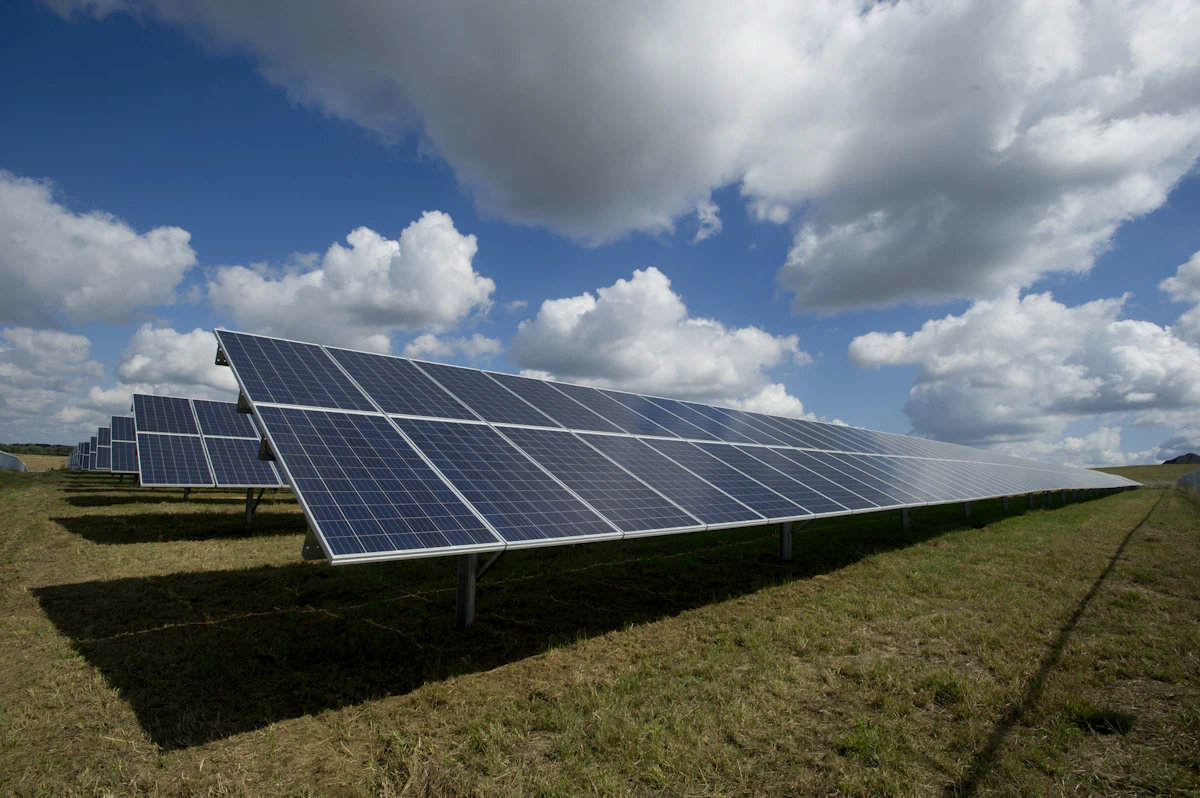
Amid the relentless stream of alarming climate news, there is a story of genuine, remarkable progress that often gets lost. Renewable energy is not just growing — it is winning. The economics have shifted so dramatically that clean energy is now the cheapest form of new electricity generation in most of the world.
This is one of the most important and underreported stories of our time.
The Cost Revolution
In 2010, solar power cost approximately 350 dollars per megawatt hour. By 2025 the cost had fallen to below 30 dollars in many markets — a decline of over 90 percent in fifteen years.
Wind power has followed a similar trajectory. Offshore wind, once considered prohibitively expensive, has seen cost reductions that have surprised even the most optimistic analysts.
These are not incremental improvements. They represent a fundamental shift in the economics of energy — one driven by manufacturing scale, technological improvement, and the virtuous cycle of deployment driving further cost reduction.
""The energy transition is no longer primarily a question of political will or environmental values. It is increasingly a question of economics. And the economics have decisively shifted in favour of clean energy.""
The Deployment Numbers
Global renewable energy capacity has grown at a pace that consistently exceeds even optimistic projections. Solar and wind now account for a significant and rapidly growing share of electricity generation in major economies.
China, despite its continued coal use, is also the world's largest installer of solar and wind capacity by a significant margin. Europe is pushing aggressively toward its clean energy targets. India has set ambitious renewable capacity goals and is on track to exceed them.
Electric vehicle adoption, while uneven, is accelerating in most major markets. Battery costs have fallen by over 90 percent since 2010, making EVs cost competitive with internal combustion vehicles on a total cost of ownership basis in a growing number of markets.
The Remaining Challenges
The renewable energy revolution is real and it is accelerating. But it would be dishonest to present an uncomplicated success story.
The intermittency of solar and wind power remains a significant challenge. The sun does not always shine and the wind does not always blow — and storing energy at grid scale remains expensive and technically challenging, though battery storage costs are falling rapidly.
The transition away from fossil fuels is creating genuine economic disruption in communities that depend on coal, oil, and gas production. Managing this transition justly — ensuring that the communities most affected are supported — is a political and moral challenge as significant as the technical one.
The Speed Problem
The most honest assessment of renewable energy progress is this — it is genuinely impressive and genuinely insufficient. The rate of deployment needs to accelerate dramatically to limit warming to levels that avoid the worst climate impacts.
We are moving in the right direction. We are not moving fast enough.
Final thought
The renewable energy revolution is one of the genuine success stories of human technological achievement. But success in the energy transition is not binary — it is a race against time. Every gigawatt of clean energy deployed matters, and every year of delay has consequences that compound.
James Harrington
co-founder · Verity
Tech enthusiast and system architect passionate about building scalable digital experiences and simplifying complex problems.
Discussion
0 comments

