Why Reading Books Still Matters in the Age of Information Overload
James Harrington
co-founder · Verity
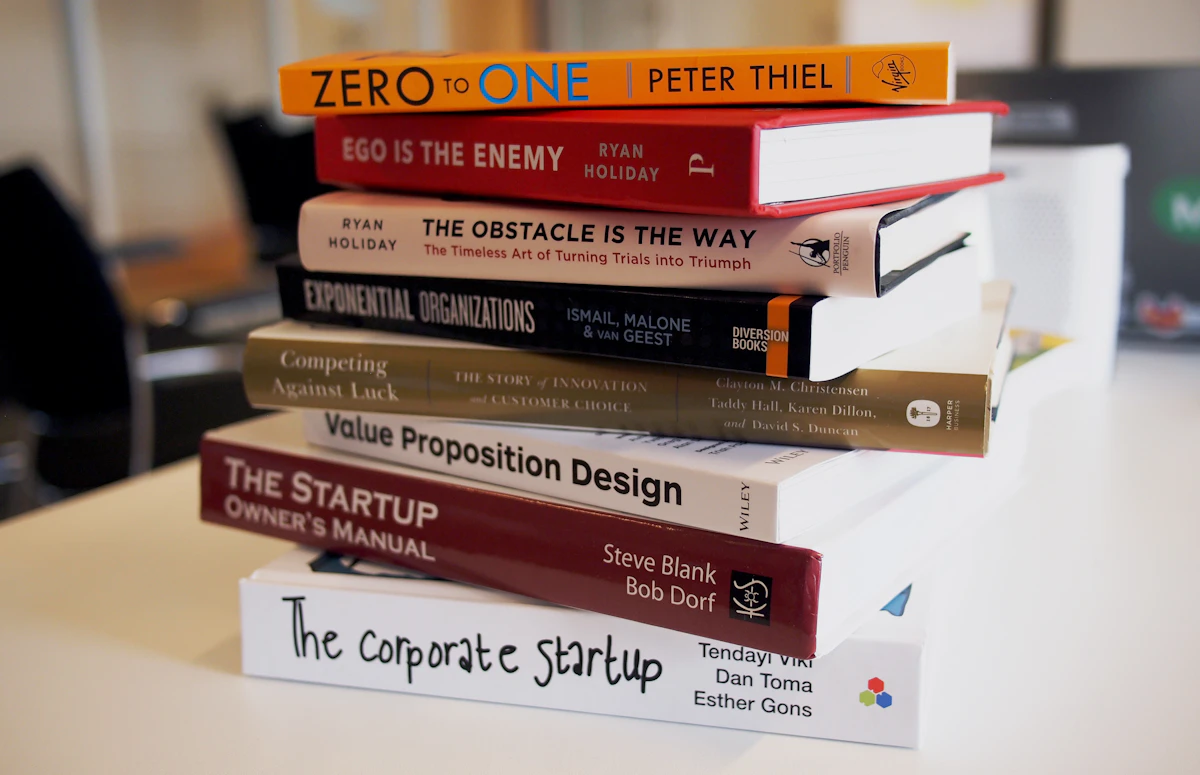
We consume more information today than any generation in history. News, social media, podcasts, newsletters, YouTube videos — the flow of content is essentially infinite. And yet many of the most thoughtful, creative, and effective people in the world still make time to read books. Why?
The answer says something important about what books do that no other medium can replicate.
The Unique Properties of Books
Books are different from other media in ways that matter deeply.
They are long. This seems like an obvious observation but its implications are profound. A book gives an idea room to breathe — room to be introduced, developed, complicated, challenged, and resolved. The depth of treatment possible in a book is simply not available in shorter forms.
They are authored. A book represents the distilled thinking of one or more minds on a subject — often the product of years of research, reflection, and revision. It is a very different thing from the aggregated, averaged, committee-produced content that dominates most other media.
They are linear. Reading a book from beginning to end, following the author's argument or narrative, is a different cognitive experience from the hyperlinked, fragmentary, choose-your-own-path experience of the internet. It trains a kind of sustained attention that is becoming increasingly rare and increasingly valuable.
""A reader lives a thousand lives before he dies. The man who never reads lives only one. Books are the closest thing we have to a technology for experiencing other minds from the inside.""
What Books Do to the Brain
The neuroscience of reading is genuinely fascinating. Deep reading — the kind of slow, immersive reading that books invite — activates parts of the brain associated with lived experience rather than just information processing.
When you read a vivid description of physical sensation, the same sensory cortex areas activate as when you actually experience that sensation. When you read about a character's emotions, your mirror neuron systems engage as if you were feeling those emotions yourself.
This is why fiction, in particular, is so powerful as a vehicle for empathy. Reading literary fiction consistently increases the ability to understand and share the feelings of others — an effect that watching films or television does not replicate to the same degree.
The Retention Problem
One objection to reading books is that we forget most of what we read. This is true. Research suggests we retain perhaps ten percent of what we read within a week of reading it.
But this objection misunderstands what reading is for. The goal of reading is not primarily to accumulate information. It is to change how you think — to expose yourself to new frameworks, new perspectives, and new ways of understanding the world.
The specific facts fade. The mental models, the expanded empathy, the deepened understanding — these remain, shaping how you think and perceive even when you cannot recall their source.
Building a Reading Practice
The obstacle most people cite to reading more is time. And it is true that reading a book requires more sustained time than consuming most digital content.
But most people who say they do not have time to read watch several hours of television or scroll social media daily. The time exists. It is a question of priorities and habits.
Start small. Twenty pages a day — about twenty minutes of reading — produces roughly eighteen books a year. Always have a book available. Read before bed instead of scrolling. Carry a book or e-reader everywhere.
Final thought
Books are one of the oldest and most powerful technologies for expanding the mind, deepening empathy, and encountering ideas that change how you see the world. In an age of infinite shallow content, the ability to sit with a book and read deeply is both increasingly rare and increasingly valuable. Protect it.
James Harrington
co-founder · Verity
Tech enthusiast and system architect passionate about building scalable digital experiences and simplifying complex problems.
Discussion
0 comments

